How to Optimize Manufacturing Control Systems for Better Efficiency?
In the rapidly evolving landscape of manufacturing, optimizing manufacturing control systems is crucial. Experts like Dr. Emily Chen, a leading authority on industrial automation, emphasize, "Effective control systems are the backbone of efficient manufacturing." This insight reflects a growing recognition of the need for innovation in our control systems.
Manufacturing control systems are the heart of production efficiency. They manage processes, reduce errors, and improve resource allocation. However, these systems are often underutilized or poorly integrated. Many companies struggle with outdated interfaces or fragmented processes, leading to inefficiencies. Such challenges call for a critical evaluation of current practices.
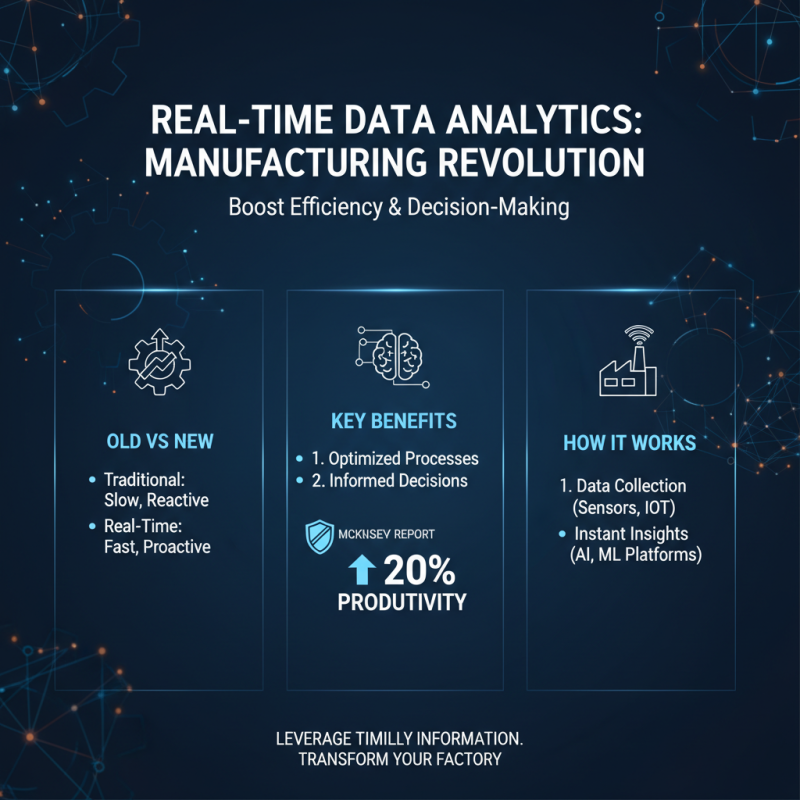
Incorporating real-time data analytics can significantly enhance these systems. When properly implemented, they create streamlined operations. Still, there are common pitfalls to avoid. For instance, over-reliance on automation can overlook human insights. Therefore, a balanced approach combining both technology and human expertise is essential for maximizing the effectiveness of manufacturing control systems.

Understanding Manufacturing Control Systems and Their Importance
Manufacturing control systems play a crucial role in production. They manage processes and improve efficiency. These systems ensure that operations run smoothly, minimizing waste and delays. Understanding their significance can help businesses thrive in a competitive market.
Effective systems involve real-time data tracking. This allows for quick decision-making. By monitoring equipment performance and interpreting data, manufacturers can identify bottlenecks. However, many companies struggle to integrate technology fully. This gap can lead to inefficiencies and high operational costs.
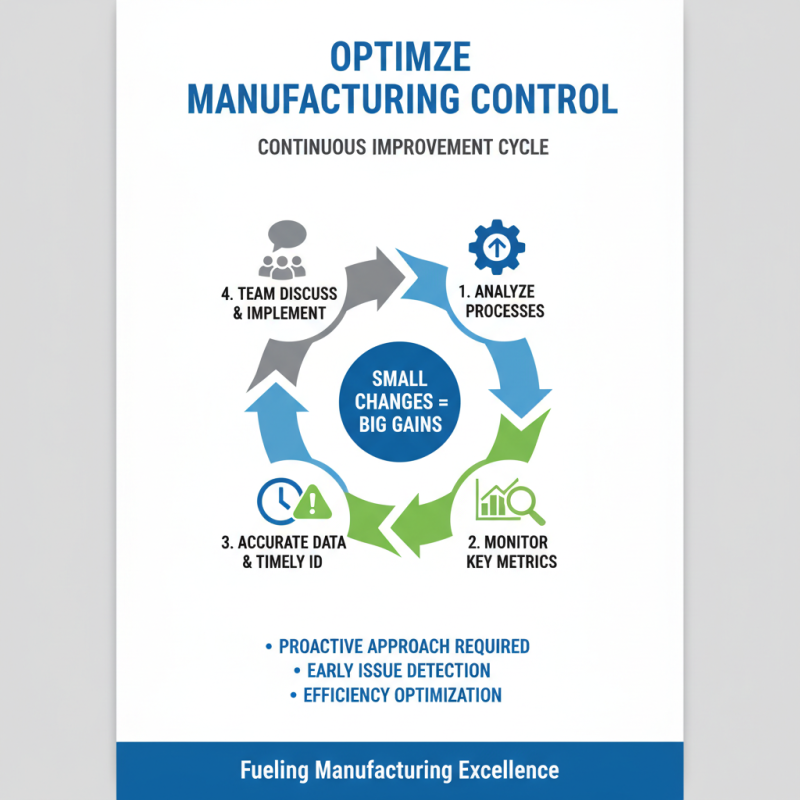
Tips for optimizing control systems include regular training for staff. Skilled workers are vital for system success. Another suggestion is to analyze data frequently. This can expose patterns that need attention. Remember, the goal is continuous improvement. Systems need to adapt as production evolves. Adjustments should not be overlooked; they are necessary for growth.
Identifying Key Performance Indicators (KPIs) for Efficiency Optimization
Identifying Key Performance Indicators (KPIs) is crucial for optimizing manufacturing control systems. KPIs serve as measurable values that indicate how effectively a company is achieving its objectives. Common KPIs include production efficiency, defect rates, and machine downtime. These indicators help in pinpointing areas that need improvement. For example, a high defect rate may suggest issues in quality control or employee training.
Data collection plays a vital role in KPI effectiveness. It is essential to gather accurate data consistently. Manual entries can lead to errors. Automated systems could help reduce human errors. Still, they require proper setup and maintenance. Companies should regularly review their KPIs. What worked last quarter might not apply this quarter. Consider integrating new technologies or revisiting training programs. Investing time in these areas can unveil hidden inefficiencies.
Communication among teams can also enhance KPI relevance. If different departments set their KPIs without alignment, confusion may arise. Inter-departmental meetings may help clarify goals. However, these meetings occasionally drift into irrelevant discussions. Focusing on specific metrics allows teams to work towards a common goal. Continuous reflection on these KPIs ensures that they remain relevant and impactful.
How to Optimize Manufacturing Control Systems for Better Efficiency? - Identifying Key Performance Indicators (KPIs) for Efficiency Optimization
| KPI |
Description |
Target Value |
Current Value |
Improvement (%) |
| Overall Equipment Effectiveness (OEE) |
Measures the percentage of manufacturing time that is truly productive |
85% |
75% |
13.33% |
| First Pass Yield (FPY) |
Percentage of products manufactured correctly without rework |
95% |
90% |
5.26% |
| Cycle Time |
Time taken to produce one unit of product |
2 minutes |
2.5 minutes |
20% |
| Downtime |
Total time production is halted due to maintenance or failures |
< 2 hours/week |
4 hours/week |
50% |
| Scrap Rate |
Percentage of materials that are wasted during production |
< 2% |
3% |
50% |
Leveraging Automation and Technology in Manufacturing Processes
In today’s manufacturing landscape, automation plays a crucial role. Integrating smart technologies can streamline operations. Sensors and AI can reduce manual tasks, making processes faster. Automation helps in minimizing errors, but it's not foolproof. Machines can malfunction, leading to downtime. Human oversight remains essential to catch these issues.
Technology, such as robotics, enhances productivity. These machines take on repetitive tasks, freeing staff for strategic roles. However, relying solely on machines can create skill gaps. Workers need training to adapt to new tools. Without it, they may struggle to keep pace.
Data analytics offers insight into production trends. By examining data, manufacturers can pinpoint inefficiencies. They can adjust workflows accordingly. Yet, overly complex systems can confuse employees. Simplicity often yields better results. Balancing technology with human elements is the key to optimizing manufacturing systems.
Manufacturing Control Systems Efficiency Optimization