How to Master Control Automation for Maximum Efficiency?
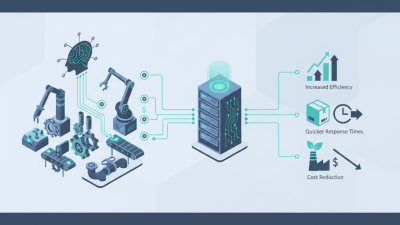
In today's fast-paced industrial landscape, mastering control automation is essential for achieving maximum efficiency. Industry expert Dr. Emily Foster states, "Control automation is not just a trend; it’s the backbone of operational excellence." This highlights the pivotal role automation plays in modern operations. Companies striving for productivity must embrace this technology.
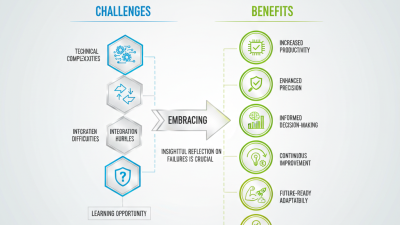
Control automation streamlines processes, reducing human error and increasing output. However, many organizations face challenges when implementing these systems. Limited understanding and resistance to change can hinder progress. Achieving full potential in control automation requires introspection and willingness to adapt.
Reflecting on successes and setbacks can foster growth. Not every automated system will perform flawlessly from the start. Regular assessments and adjustments are crucial. Embracing feedback leads to more effective control automation strategies, ultimately driving businesses toward greater efficiency.

Understanding the Basics of Control Automation Concepts
Control automation is a vital concept in today's fast-paced industries. It refers to the use of technology to manage and control processes with minimal human intervention. Basic principles include feedback, sensors, and control loops. These elements work together to ensure that systems function smoothly and efficiently.
Understanding control automation starts with recognizing its components. Sensors provide real-time data, while controllers analyze that data. This combination leads to informed decisions. However, many overlook the importance of setting precise parameters. If those parameters are vague, the system may not perform as expected. Mistakes can lead to inefficiencies and wasted resources.
Another essential aspect is adaptability. Control systems need to adjust to changing conditions. Rigid systems can become outdated quickly. Organizations must be willing to reassess their automation strategies regularly. This approach fosters continuous improvement. Embracing feedback loops often reveals areas needing adjustments. Mindfully acknowledging these imperfections can lead to greater efficiency.
How to Master Control Automation for Maximum Efficiency? - Understanding the Basics of Control Automation Concepts
| Dimension |
Description |
Benefits |
Challenges |
| System Integration |
Seamlessly connecting different subsystems for unified control. |
Improved coordination and real-time monitoring. |
Complexity of integration and potential software errors. |
| Data Acquisition |
Gathering data from various sources for analysis. |
Enhanced decision-making through accurate data. |
Data quality issues and integration difficulties. |
| Control Logic |
Defining algorithms for process control. |
Optimized processes for efficiency and stability. |
Development time and debugging complexities. |
| User Interface |
Providing an interface for interaction with the system. |
User-friendly operation and enhanced usability. |
Potential for user error and varying skill levels. |
| Safety Systems |
Implementing measures to prevent accidents and hazards. |
Increased worker safety and compliance with regulations. |
Cost of implementation and maintaining compliance standards. |
Identifying Key Components in Control Automation Systems
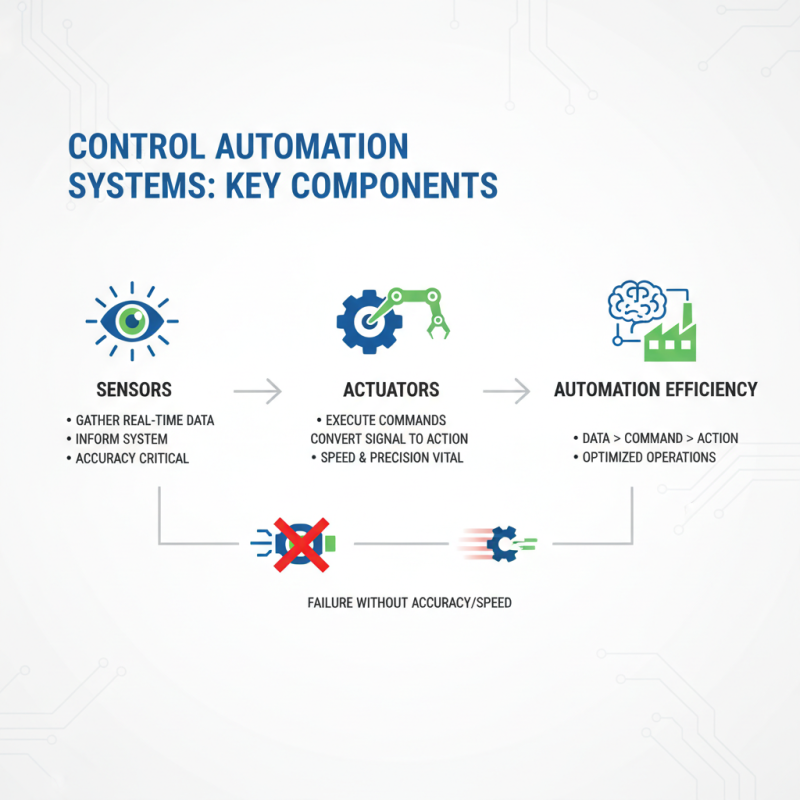
Control automation systems rely on several key components that significantly affect their efficiency. Sensors are critical. They gather real-time data from the environment. This data informs the system about current conditions. Without accurate sensors, automation can fail. Actuators follow, interpreting commands from control systems. They convert signals into physical actions, such as moving a valve or starting a motor. If actuators are slow or inaccurate, operations can stall.
Another vital component is the control algorithm. It determines how the system reacts to sensor inputs. Poorly designed algorithms can lead to inefficiencies. They may overreact to slight changes, causing frequent adjustments. Communication networks also play a role. They ensure the various components work harmoniously. However, slow or unreliable networks can create bottlenecks. The entire system might lag or produce errors.
Lastly, human oversight is crucial in control automation. While machines perform tasks, humans provide context. Mistakes happen, even in advanced systems. Regular assessments and updates are necessary. These efforts can highlight weaknesses in the automation process. Embracing these imperfections fuels improvement. This reflection can reveal paths toward greater efficiency.
Implementing Best Practices for Efficient Automation Strategies
Automating processes can significantly enhance productivity. Yet, many organizations struggle with this transition. Effective automation relies on clear strategies. Each automation step must be planned thoughtfully. Identify the tasks that consume excessive time. Break them down into smaller, manageable segments. This approach helps clarify which processes are most suitable for automation.
Regular reviews are also essential. Assess the outcomes of your automation efforts. Are they meeting your initial expectations? Sometimes, a strategy might seem perfect on paper but falter in practice. Gathering feedback and analyzing results can reveal hidden flaws. Adjustments should be made based on real data rather than assumptions. Consider pilot tests before full implementation to minimize risk.
Creating a culture that embraces change is vital for success. Teams may resist new technologies out of fear or misunderstanding. Involving employees in the automation conversation can reduce anxiety. Engage them in discussions about potential benefits. It can improve acceptance and lead to better implementation. Remember, mastery of automation requires patience and continuous learning.
Efficiency of Automation Strategies Over Time
This chart illustrates the efficiency of different automation strategies measured over a six-month period. The data represents average efficiency gains (in percentage) achieved through various automation practices.
Leveraging Advanced Technologies for Enhanced Automation Performance
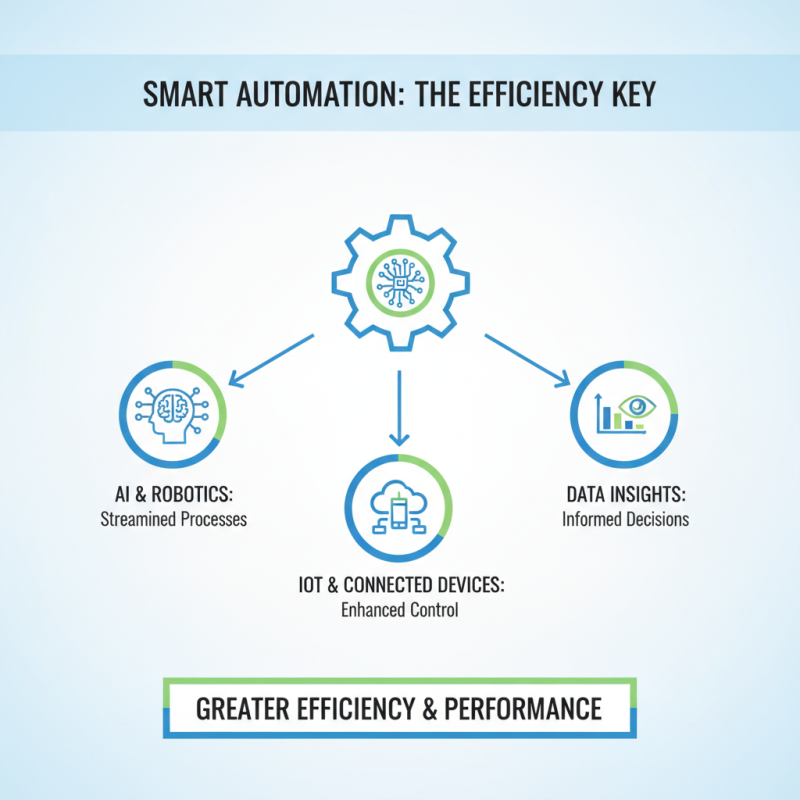
In the era of smart technology, mastering control automation is key to achieving greater efficiency. Advanced technologies like AI, robotics, and IoT can transform automation performance significantly. These tools not only streamline processes but also provide insights into performance metrics, which can inform better decision-making.
Tips: Focus on integrating real-time data collection. This can help identify bottlenecks quickly. A timely response improves overall workflow.
Consider the limitations of current systems. Sometimes, automation can lead to complacency. Regular evaluations are vital. Analyze areas where human input is still essential. Ensure that technology complements rather than replaces critical thinking.
Tips: Prioritize staff training on new technologies. A skilled workforce can adapt to changes swiftly. Empower your team to embrace automation without losing touch with personal oversight.
Automation is not a one-size-fits-all solution. Tailoring it to specific needs can yield better results. Look for small, incremental changes that can lead to significant improvements over time.
Measuring and Analyzing Automation Efficiency for Continuous Improvement
Measuring and analyzing automation efficiency is key to continuous improvement. According to a report by McKinsey, automation can enhance productivity by up to 30%. Effective evaluation methods include tracking time savings, error rates, and user satisfaction. These metrics help identify bottlenecks and areas for improvement.
Tips: Regularly monitor KPIs. Consider both quantitative and qualitative data. Employee feedback is often overlooked but extremely valuable. A minor flaw in automation processes can lead to significant delays, impacting overall efficiency.
Embracing a culture of testing and iteration is crucial. Some automation systems may not perform as expected. Understanding these shortcomings allows businesses to refine their processes. Continuous analysis ensures that you adapt to changing needs. Regular reviews keep your system aligned with goals, preventing stagnation.
Tips: Set aside time for regular review sessions. Involve cross-functional teams in these discussions. Diverse perspectives can uncover hidden inefficiencies. Remember, perfection is a moving target, and staying flexible is essential.