2026 How to Implement a Process Automation System Effectively?
In today's fast-paced business world, a process automation system can drive efficiency and reduce costs. According to a recent report by McKinsey, companies that leverage automation can boost productivity by up to 30%. Implementing such a system is not without challenges. Many organizations struggle with integration and employee buy-in. The success of these systems often hinges on careful planning and training.
As businesses consider automation, it’s crucial to focus on both technology and workforce perception. A study from Deloitte highlights that 64% of employees fear automation will lead to job loss. Addressing these concerns early can foster a smoother transition. Investing in training can enhance acceptance and optimize system performance.
Real-world examples show mixed results. Some companies achieve impressive ROI, while others experience setbacks. It’s essential to analyze both successes and failures in implementation. Effective communication and ongoing assessment are key to refining the process automation system. Understanding the nuances of your organization will help tailor solutions effectively.

Understanding Process Automation: Definition and Benefits
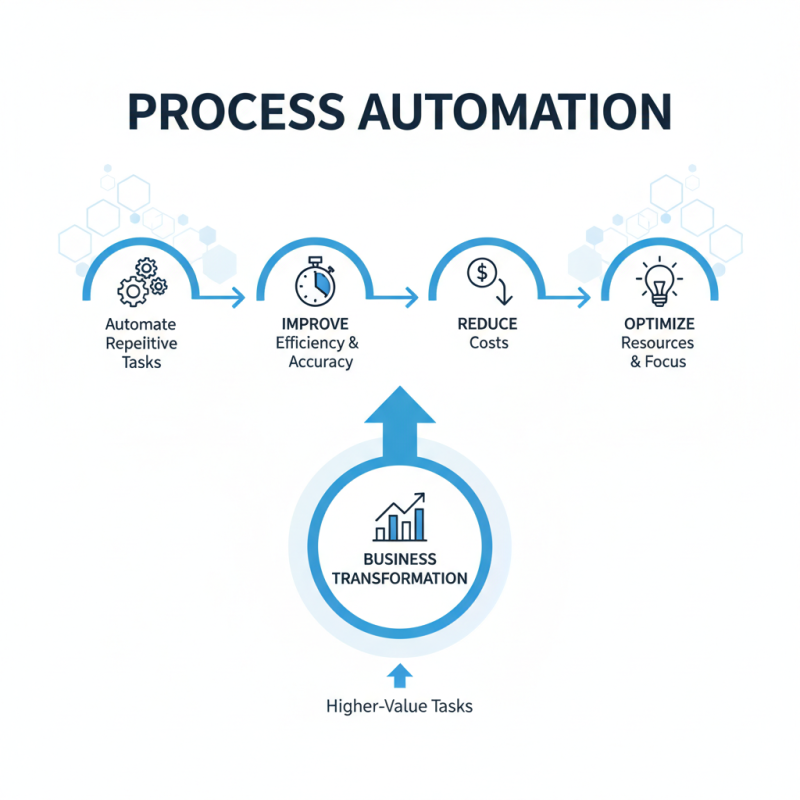
Process automation is a transformative approach in today's business landscape. It involves using technology to perform repetitive tasks. By automating processes, organizations can improve efficiency and accuracy. This also leads to cost reduction and resource optimization. Employees can then focus on higher-value tasks.
Tips for effective implementation: Start with identifying manual tasks. Evaluate which processes are time-consuming. Prioritize automating these tasks for quick wins. Engage your team early in the process. Gather their insights to address concerns. This helps in smoother transition and buy-in.
Understanding the benefits is crucial. Workflow consistency is one advantage. Automation ensures that tasks are completed the same way each time. It reduces errors and enhances compliance. However, it's essential to remember that over-automation can lead to rigidity. Flexibility is necessary for adapting to changes. Balancing automation with human oversight can yield the best results. In conclusion, embrace automation while maintaining a mindful approach.
Identifying Processes Suitable for Automation in Your Organization
Identifying processes suitable for automation is key in improving efficiency. Begin by analyzing current workflows. Look for repetitive tasks that consume time and resources. Manual data entry is a classic example. It often leads to errors and delays. Focus on processes that involve high volume and low complexity.
Tips: Collaborate with your team. They know which tasks slow them down. Gather their insights. Try mapping out processes visually. This can highlight bottlenecks and redundancies. Review your findings regularly. Not all processes will be perfect candidates for automation. Be open to adjusting your strategy based on what you learn.
Keep in mind that some processes may seem straightforward but could be intertwined with more complex ones. It is essential to understand the impacts of automation on those interconnected tasks. Not every automation attempt will yield immediate benefits. Reflect on what works and what doesn't as you go. This will help refine your approach over time.
Identifying Processes Suitable for Automation
Steps to Choose the Right Automation Tools and Technologies
Choosing the right automation tools and technologies involves careful consideration. According to a report by McKinsey, organizations that effectively use automation can increase productivity by up to 30%. This statistic underscores the importance of selecting the most suitable solutions. It’s not just about the tool itself; it’s about how well it integrates into existing workflows.
Start by assessing your specific needs. Identify the processes that consume time and resources. For example, routine data entry tasks often benefit from automation. A Forrester report highlights that 60% of employees feel overwhelmed by repetitive tasks. By automating these, you can free up valuable time for more strategic activities. Consider scalability. The chosen tool should grow with your organization. Many solutions may appear appealing initially, but they may not adapt well to changes.
Testing is crucial. A tool might show promise but fail in real-world applications. Getting feedback from your team can reveal hidden issues. An IBM survey found that 70% of automation projects fail due to poor implementation. Measure the automation impact regularly. Analyze whether it meets your expectations or if adjustments are needed. This reflection can drive continuous improvement and ensure the tools serve their purpose effectively.
Developing a Comprehensive Implementation Plan for Automation
Implementing a process automation system requires careful planning and execution. Start by defining your goals clearly. What processes do you want to automate? Engage your team in brainstorming sessions. Gather their insights on which tasks consume the most time. This step is crucial for identifying key areas for automation.
Next, develop an implementation plan. Break it down into smaller phases. Each phase should focus on specific processes. For instance, automate data entry in one phase, then customer responses in another. Assign responsible team members for each phase. Include deadlines, but be flexible. Delays may occur. Always be ready to adapt your plan. Reflect on what works and what doesn’t.
Lastly, prioritize training for all users. Ensure everyone feels comfortable with the new system. Offer resources like guides or workshops. This investment pays off in the long run. Automation is a journey, not a destination. Expect challenges and learn from mistakes. Embrace this process with an open mind.
2026 How to Implement a Process Automation System Effectively?
| Phase |
Description |
Duration |
Key Stakeholders |
| 1. Assessment |
Evaluate current processes to identify automation opportunities |
2 Weeks |
Process Owners, IT Team |
| 2. Design |
Create automation workflows and define requirements |
3 Weeks |
Business Analysts, Developers |
| 3. Development |
Build and test the automation solution |
4 Weeks |
Developers, Quality Assurance |
| 4. Training |
Train staff on the new automation system |
1 Week |
Human Resources, IT Team |
| 5. Deployment |
Launch the automation system in a live environment |
2 Weeks |
IT Team, Stakeholders |
| 6. Evaluation |
Assess performance and identify areas for improvement |
3 Weeks |
All Stakeholders |
Measuring Success: Key Metrics for Evaluating Automation Effectiveness
When implementing a process automation system, measuring success is crucial. Key metrics help organizations understand effectiveness. According to industry reports, companies can see productivity gains of 30% through effective automation. This data underscores the importance of performance tracking.
Common metrics include time saved, cost reductions, and error rates. For example, automation can reduce operational costs by up to 25%. However, organizations often overlook these metrics during implementation. Focusing solely on technology can lead to missed opportunities for improvement.
User satisfaction is another vital metric. A study revealed that 70% of employees feel overwhelmed by automation tools. If users are not on board, success is jeopardized. Continuous feedback loops can address this. Gathering user input fosters a sense of ownership and can improve engagement. Keeping systems user-friendly is essential for long-term effectiveness.