How to Choose the Right Electrical Control Panel for Your Needs?
When selecting an electrical control panel, understanding your specific needs is crucial. According to recent industry reports, the global market for electrical control panels is projected to reach $10 billion by 2025, with a compound annual growth rate of 6.3%. This significant growth underscores the increasing reliance on efficient electrical systems across various sectors.
Choosing the right electrical control panel involves more than just specifications. Considerations such as the panel’s compatibility with existing equipment and its ability to handle future demands are essential. Reports indicate that nearly 40% of electrical control failures arise from improper selection and installation. These failures can lead to costly downtimes and safety hazards.
It’s important to reflect on your operational needs and the environment in which the panel will function. Factors like temperature ranges, humidity levels, and potential exposure to contaminants play a vital role. The right electrical control panel ensures reliability and efficiency. Misstep in this choice could have significant repercussions. Thus, careful evaluation and expert consultation are imperative for optimal decision-making.
Understanding Electrical Control Panel Basics
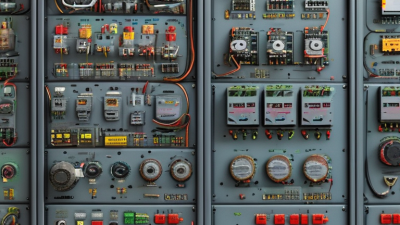
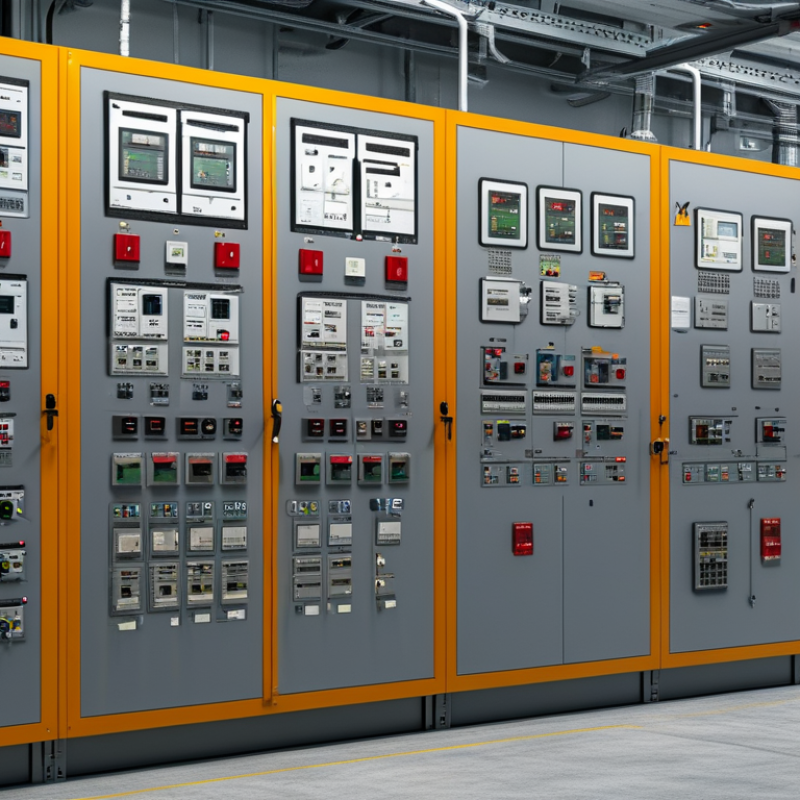
Understanding the basics of electrical control panels is essential for making an informed decision. Control panels serve as the nerve center of electrical systems. They manage power distribution and equipment control across various applications. A well-designed panel can enhance efficiency and reliability in your operations.
When choosing a control panel, consider its components. Essential parts include circuit breakers, contactors, and relays. Each element plays a role in how the panel performs under load. For instance, using under-rated components may lead to malfunction, potentially causing operational delays. Ensure that each part meets your system’s specific requirements for safety and performance.
Pay attention to the panel's layout and accessibility. A cluttered panel can complicate troubleshooting and maintenance, creating risks that may go unnoticed. Additionally, verify that the panel adheres to industry standards. This ensures compliance with regulations. Electrical control panels must not only function properly but also be safe for users. Reflecting on these aspects can aid you in choosing the right panel that meets your needs effectively.
Identifying Your Specific Application Requirements
Choosing the right electrical control panel is crucial for your operations. The specific application requirements dictate what features will suit your needs best. Start by identifying the power ratings of your equipment. Consider both the voltage and current types, such as AC or DC. Understanding these factors ensures the panel functions effectively without risk of malfunction.
Next, think about the environment where the control panel will be used. Will it be indoors or exposed to outdoor elements? If it's the latter, you'll need a panel with adequate weatherproofing. Dust, moisture, and temperature fluctuations can impact performance. Also, consider ease of access for maintenance. A panel that’s hard to reach can lead to delays in addressing issues. Reflect on potential future needs too. Will your system expand? Designing with flexibility in mind can save time and costs later.
Lastly, seek professional advice when in doubt. Sometimes, personal experience might not cover every scenario. Engaging with experts can provide insights into specific standards and regulations. It's important to ensure compliance with safety and operational guidelines. Balancing cost and quality is challenging but essential. Ask questions, and don't hesitate to rethink your choices. Sometimes, the best decisions come from a mix of careful planning and reflection.
Evaluating Panel Specifications and Features
When evaluating electrical control panels, it is crucial to focus on their specifications and features. Start by considering the panel's size and configuration. Different applications may require varying sizes. Ensure the panel can accommodate all necessary components without overcrowding them. This oversight could lead to overheating or component failure.
Next, examine the electrical ratings. Voltage, current, and power ratings are fundamental specifications. Panels rated for higher voltages may offer more flexibility. However, ensure your application does not exceed these ratings. It’s a common mistake to underestimate the load requirements, which can lead to equipment malfunction.
Also, consider additional features like protective enclosures and ease of access. Some panels include advanced monitoring systems. This feature can enhance reliability but may also complicate maintenance. It’s worth reflecting on whether this complexity aligns with your operational capabilities. Don't overlook the importance of compliance with industry standards; failure to meet these can result in safety hazards.
Choosing the Right Material and Design for Durability
Choosing the right material and design for an electrical control panel is crucial for ensuring durability and functionality. The material selection directly impacts the panel's performance and resistance to environmental factors. For instance, metal panels provide excellent strength and can withstand harsh conditions. However, they might be prone to corrosion. On the other hand, fiberglass or plastic panels offer lightweight and corrosion-resistant alternatives. Yet, they may not be as robust in high-stress applications.
Design also plays a pivotal role. A well-designed panel ensures proper ventilation, preventing overheating. It’s essential to consider the layout for easy accessibility. Compact designs may save space, but they can complicate maintenance. A balance is key. Overlooking details in design can lead to costly repairs later. User-friendly features like clear labeling and organized wiring enhance reliability.
Reflecting on past projects can reveal lessons learned. Some designs that seemed efficient initially proved cumbersome during use. Continuous evaluation after deployment often highlights overlooked aspects. By focusing on materials and design, you can create panels that stand the test of time.
Assessing Compliance with Industry Standards and Regulations
When selecting an electrical control panel, compliance with industry standards is crucial. It ensures safety, reliability, and efficiency. Industry regulations, such as the National Electrical Code (NEC), govern installation and operation. Understanding these standards can prevent costly mistakes and ensure that your panel meets local requirements.
Assessing compliance requires thorough documentation. Review the safety certifications of components used in the panel. Many manufacturers provide detailed compliance reports. However, not all products fulfill these standards. It's essential to verify claims made by suppliers. Always seek panels tested under established guidelines.
Additionally, consider the specific needs of your application. Depending on the environment, different standards may apply. For example, panels in hazardous areas must meet stricter safety guidelines. Reflect on whether the chosen panel adapts to your long-term operational goals. Sometimes, an initial choice may not align with future needs, leading to potential upgrades or costly replacements.
Electrical Control Panel Compliance Assessment