2026 How to Choose the Best Manufacturing Control Systems?
In today's competitive landscape, choosing the right manufacturing control systems is critical. Businesses face immense pressure to enhance efficiency and reduce costs. The right system can streamline processes and ensure quality control. However, the multitude of available options complicates decision-making.
Manufacturing control systems vary significantly. Each system is designed to address specific needs within production environments. Factors such as scalability, integration capabilities, and user-friendliness play crucial roles in making an informed selection. Companies must also consider their unique production challenges.
Balancing technical specifications with operational requirements can be tricky. The ideal system should not only fit current needs but also adapt to future changes. Evaluating software and hardware options requires expertise. Engaging with experienced professionals can provide valuable insights. Ultimately, making a well-informed choice could determine a company's success in navigating the evolving manufacturing landscape.

Understanding Manufacturing Control Systems and Their Importance
Manufacturing control systems are crucial for optimizing production processes. They play a vital role in managing resources and ensuring quality. These systems monitor performance in real-time, allowing managers to make informed decisions. Understanding how they function is essential for effective use.
Many manufacturers overlook the importance of integrating advanced technologies. Real-time data can enhance decision-making but may require significant investment. An efficient system collects, analyzes, and interprets data swiftly. This leads to improved resource allocation and reduced waste. However, businesses must be cautious, as not all systems fit every operation.
Assessing current challenges is necessary when choosing a system. Companies should reflect on specific needs, goals, and areas for improvement. Identifying bottlenecks can guide which features are most valuable. The goal should be a system that enhances productivity and is adaptable. Balancing cost against potential benefits demands careful consideration.
Key Features to Look for in Manufacturing Control Systems
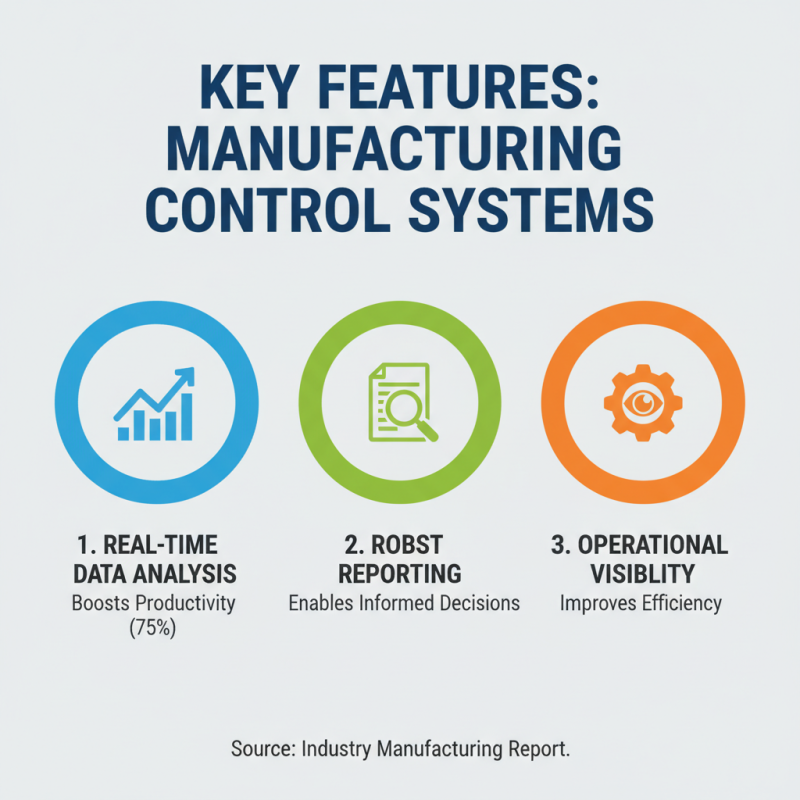
When selecting a manufacturing control system, key features matter greatly. An effective system should support real-time data analysis. About 75% of manufacturers report that visibility into operations boosts productivity. Look for systems with robust reporting capabilities, as this can lead to better decision-making.
Integration is another crucial aspect. Systems that connect with existing software can streamline processes. A study from the Manufacturing Institute revealed that integrated platforms can reduce operational costs by up to 25%. Flexibility is vital too; a control system should adapt to changing production needs.
Scalability is a feature often overlooked. As production demands grow, the system should scale accordingly. Additionally, user-friendly interfaces are essential; staff should easily navigate the system. Some implementations reveal that user training gaps can hinder effectiveness. Investing in a customizable, user-centric control system is beneficial. The right features can lead to significant operational improvements.
Evaluating Manufacturing Control Systems: Criteria and Metrics
When choosing the best manufacturing control systems, evaluating criteria and metrics is essential. Key metrics include efficiency, accuracy, and scalability. Industry reports show that companies adopting advanced manufacturing control systems see efficiency improvements of up to 25%. These improvements directly affect production costs and profitability.
To effectively evaluate systems, consider integration capabilities. A system that seamlessly integrates with existing processes is crucial. A study by the Manufacturing Performance Institute indicated that nearly 70% of manufacturers struggle with system integration. This challenge can lead to increased downtime and lost output.
Tips: Assess user-friendliness. Systems should help, not complicate. Get feedback from operators who will use the system daily. Also, evaluate vendor support. A responsive support team is invaluable for smooth implementation. Lastly, pilot projects can provide insight into real-world performance without overcommitting resources.
2026 How to Choose the Best Manufacturing Control Systems? - Evaluating Manufacturing Control Systems: Criteria and Metrics
| Criterion |
Metric |
Weight (%) |
Rating (1-5) |
Score |
| Ease of Use |
User-Friendliness |
20 |
4 |
80 |
| Scalability |
Adaptability to Growth |
25 |
5 |
125 |
| Cost Efficiency |
Return on Investment |
30 |
3 |
90 |
| Integration |
Compatibility with Existing Systems |
15 |
4 |
60 |
| Support and Maintenance |
Availability of Support |
10 |
5 |
50 |
| Compliance |
Regulatory Compliance |
10 |
4 |
40 |
| Total Score |
485 |
Integration of Manufacturing Control Systems with Existing Operations
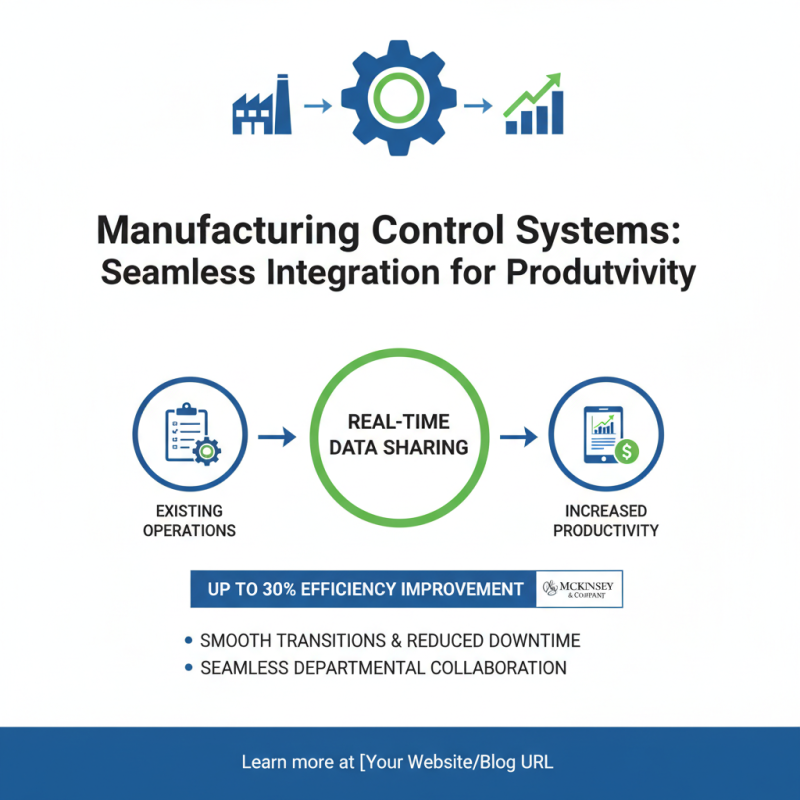
Integrating manufacturing control systems with existing operations is crucial for productivity. A report by McKinsey indicates that companies can improve efficiency by up to 30% when directly linking new systems with current processes. This connection ensures smooth transitions and reduces downtime during implementation. Real-time data sharing is essential, enabling departments to work seamlessly together.
When choosing a manufacturing control system, consider compatibility with your existing infrastructure. Customization options are important. Analyze your needs thoroughly; avoid rushing into decisions that lack foresight. A successful integration might require changes in workflows, possibly facing initial resistance from staff.
Tips: Involve team members early in the process. Their insights can help identify potential issues. Regular training will empower employees to embrace the new system effectively. Furthermore, flexible solutions may better accommodate evolving business needs, enhancing long-term performance.
Future Trends in Manufacturing Control Systems to Consider
As we look toward 2026, manufacturing control systems are evolving rapidly. The integration of artificial intelligence (AI) and the Internet of Things (IoT) are key trends shaping the landscape. A recent McKinsey report estimates that companies implementing AI could boost their productivity by up to 40%. This could transform decision-making processes within factories.
Emphasizing real-time data analytics is crucial. Advanced systems now provide insights on machine performance and energy consumption. According to a survey conducted by Deloitte, 63% of manufacturers prioritize data-driven decisions. However, many still rely on outdated systems, which can hinder productivity. It’s vital to assess existing frameworks and identify gaps.
Tips: Evaluate your current system's adaptability to new technologies. Start small; test AI solutions in specific areas before a full rollout. Engage vendors who offer robust support and continuous updates. It’s essential to ensure that the selected system can evolve with your business needs. Flexibility in manufacturing control systems is no longer optional but essential.
2026 Manufacturing Control Systems: Key Trends to Monitor